Are there any regulations regarding school lockers?
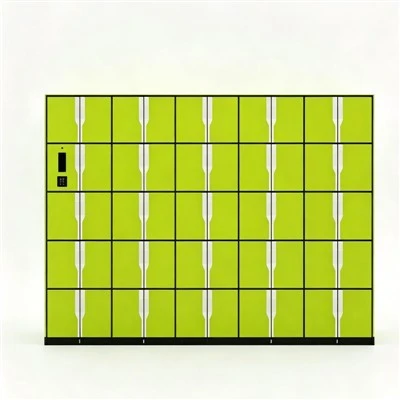
As a supplier of school lockers, I've often been asked about the regulations regarding these essential pieces of school furniture. School lockers serve multiple purposes, from providing students with a secure place to store their belongings to helping maintain an organized and clutter - free school environment. But like many things in the educational setting, there are indeed regulations that govern their use and installation.
Safety Regulations
Safety is paramount when it comes to school lockers. One of the fundamental regulations focuses on structural integrity. Lockers need to be built sturdy enough to withstand normal use by students. This means that the materials used, such as metal or high - density plastic, must meet certain quality standards. For example, the metal should be of an appropriate gauge to prevent bending or warping easily. In many regions, there are requirements for the locker's frame to be reinforced at key points to ensure it can endure the daily opening and closing, as well as the weight of students' items placed inside.

Another crucial safety aspect concerns the locker's doors and hinges. Doors should open and close smoothly without the risk of jamming, which could cause injury. Hinges must be strong enough to hold the door firmly in place but also allow for easy movement. Additionally, there are regulations regarding sharp edges. All lockers should have rounded edges and corners to prevent cuts and bruises to students. This is especially important in busy hallways where students may bump into the lockers.
Lock mechanisms also fall under safety regulations. They need to be reliable and secure to protect students' personal belongings. At the same time, they should be easy for students to operate. Many schools are now moving towards combination locks or digital locks for added security, but these must also comply with accessibility standards. For example, they should be within easy reach of students of different heights, and the instructions for use should be clear.
Accessibility Regulations
Ensuring that school lockers are accessible to all students is a significant regulatory concern. This includes students with disabilities. In many countries, the requirements for accessible lockers are in line with broader accessibility laws. For instance, there should be a certain percentage of lockers designed for students using wheelchairs. These lockers are typically placed at a lower height and have wider doors to accommodate a wheelchair's width.
The depth of the accessible lockers is also regulated. It should be sufficient to hold the necessary items like school bags and books, but not so deep that it becomes difficult for a student in a wheelchair to reach to the back. Moreover, the locks on accessible lockers should be operable with one hand or using assistive devices, depending on the student's needs.
Hygiene Regulations
In the wake of various health concerns, including the spread of germs and diseases, hygiene regulations regarding school lockers have become more prominent. Lockers should be made of materials that are easy to clean and disinfect. Metal and certain types of plastic are popular choices as they can be wiped down regularly with common cleaning agents.
Ventilation is another aspect of locker hygiene. Stuffy lockers can harbor odors and promote the growth of mold and mildew. Some regulations require that lockers have small ventilation holes to allow air to circulate. This helps to keep the inside of the lockers fresh and reduces the likelihood of unpleasant smells.
Space and Placement Regulations
The placement of school lockers inside the school premises is also regulated. Lockers should be installed in areas that do not obstruct the flow of traffic in hallways. There are specific guidelines regarding the minimum distance between lockers and the adjacent walls or other furniture to ensure that students can move freely.
The density of locker placement is also a factor. Schools need to strike a balance between providing enough lockers for students and maintaining adequate space in the hallway. A common regulation is to limit the number of lockers per linear foot of hallway to prevent over - crowding.
Our Products: Complying with Regulations
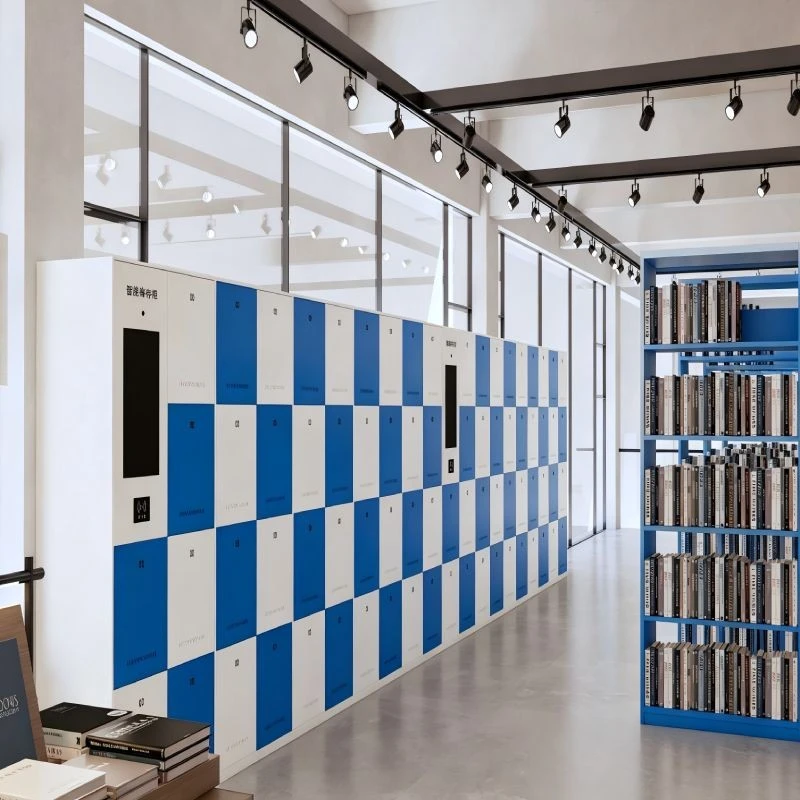
As a school locker supplier, we take these regulations seriously. Our library lockers Library Lockers are designed with all the above - mentioned regulations in mind. They are made of high - quality metal with rounded edges and reinforced frames. The doors are equipped with smooth - operating hinges, and the lock mechanisms ensure both security and ease of use. These lockers also have proper ventilation to keep the books and other study materials inside fresh.
Our Smart School Bag Storage Lockers are another example of our commitment to regulatory compliance. They are designed to be accessible, with adjustable height options and user - friendly digital locks. The materials used are easy to clean, which is crucial for maintaining a hygienic school environment.
Why Choose Our School Lockers
When schools choose to purchase lockers from us, they are not only getting a product that meets regulatory standards, but they are also investing in a high - quality, long - lasting solution. Our lockers are built to withstand the rigors of daily school life. We offer a wide range of customization options to suit the specific needs of different schools. Whether a school needs lockers for elementary students, high - school students, or a specialized area like a library, we have the expertise to provide the right solution.
Contact Us for Procurement
If you are a school administrator, facilities manager, or involved in the procurement process for your educational institution, we invite you to get in touch with us. We understand the importance of having reliable and compliant school lockers. Our team of experts can provide detailed information, offer product samples, and work with you to develop a locker solution that fits your school's requirements and budget. Don't hesitate to reach out for a consultation and let us help you create a safer, more organized, and accessible school environment.
References
- National Fire Protection Association (NFPA). Standards related to school furniture safety.
- Americans with Disabilities Act (ADA). Guidelines for accessible school facilities, including lockers.
- Centers for Disease Control and Prevention (CDC). Recommendations for maintaining hygiene in school settings.