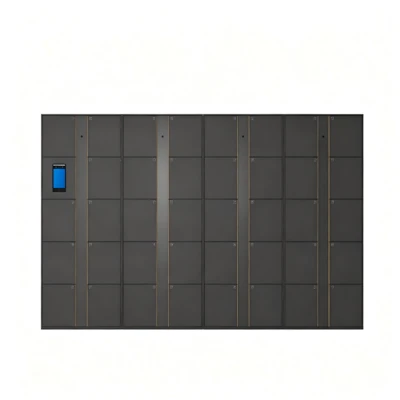
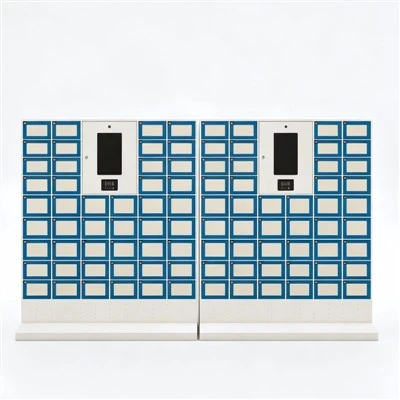
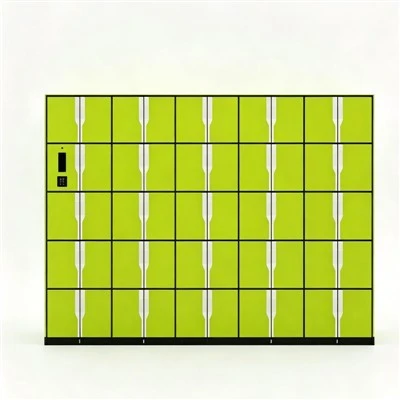
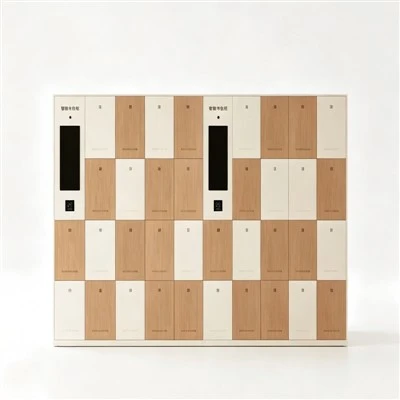
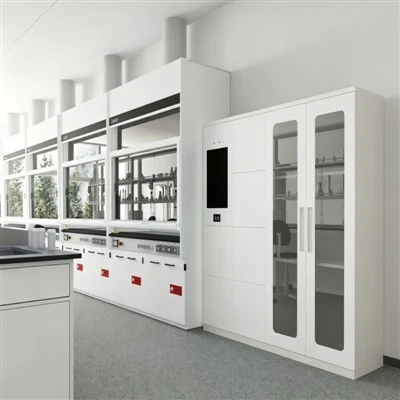
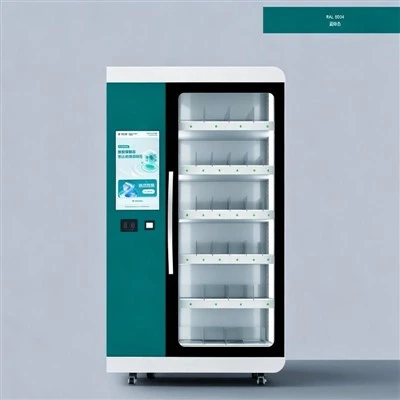
Smart factory changing lockers are essential equipment in modern manufacturing environments, operating under high-frequency usage and complex conditions. Proper maintenance is therefore crucial to ensure stable performance, extend service life, and improve overall management efficiency. Maintenance should be carried out from multiple aspects, including daily inspection, system upkeep, hardware care, and data management.
First, routine inspection forms the foundation of maintenance work. Managers should regularly check the overall operating condition of the lockers, including whether doors open and close smoothly, whether electronic locks respond accurately, whether the identification system functions properly, and whether the network connection remains stable. Any abnormalities should be recorded and addressed promptly to prevent minor issues from escalating.
Second, electronic system maintenance is particularly important. Since smart lockers rely on backend systems and identification modules, software updates and optimizations should be performed regularly to ensure compatibility and security. At the same time, the sensitivity of identity recognition devices such as card readers, facial recognition cameras, and fingerprint modules should be checked to prevent errors that may affect user experience.
Third, hardware maintenance should not be overlooked. The cabinet body should be cleaned regularly to prevent dust, moisture, or corrosive substances from affecting structural stability. Electronic locks and mechanical components should be properly lubricated to avoid jamming or wear caused by long-term use. In humid or high-temperature environments, additional anti-rust and moisture protection measures are necessary to ensure long-term stability.
In addition, data system maintenance is also essential. Smart lockers typically store large amounts of usage data, including user information, access times, and operation logs. Regular data backups and system checks should be performed to prevent data loss or system failures. Data analysis can also help optimize usage efficiency and improve management strategies.
Finally, a comprehensive maintenance system and responsibility framework should be established. This includes clear procedures for daily maintenance, scheduled inspections, and fault handling, as well as necessary training for operators to improve overall management capability.
Overall, systematic maintenance practices ensure the stable operation of smart factory changing lockers, extend equipment lifespan, and enhance management efficiency, providing strong support for safe and standardized factory operations.