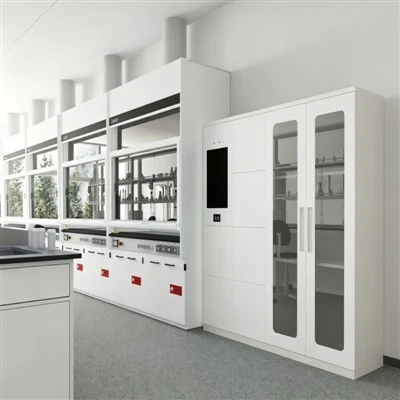
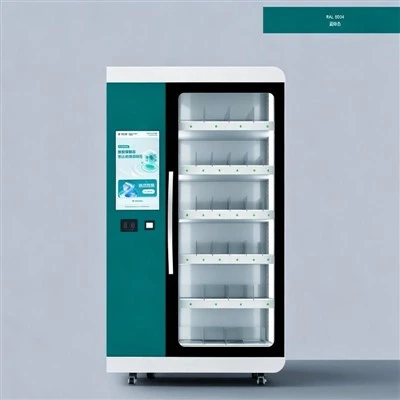
Library storage lockers are essential auxiliary facilities in public cultural spaces, primarily used for the secure and organized storage of visitors' personal belongings. Their structural design not only affects user convenience but also plays a significant role in space utilization and overall service quality. Compared with traditional storage methods, modern library lockers place greater emphasis on safety, functionality, and spatial adaptability.
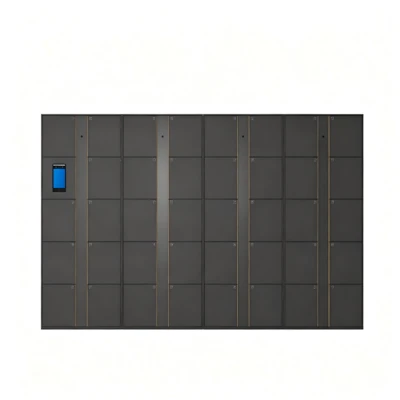
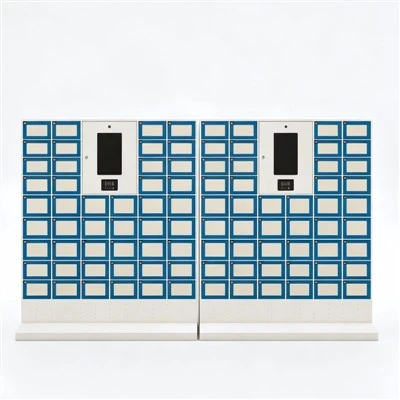
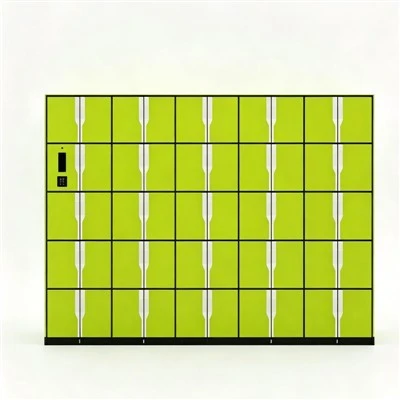
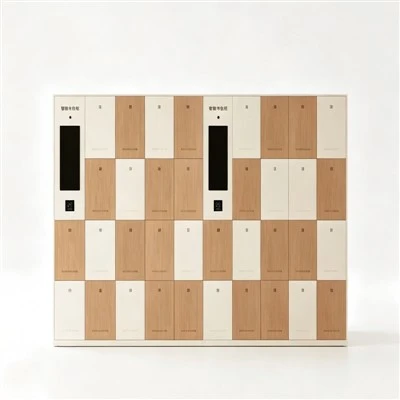
From an overall structural perspective, library storage lockers typically adopt a modular design composed of multiple independent compartments. Each compartment is equipped with an individual door and locking mechanism, allowing standalone use or flexible combination and expansion according to spatial requirements. This design enables libraries of different sizes to optimize layout efficiency and maximize space utilization.
In terms of materials, cold-rolled steel or environmentally friendly composite materials are commonly used. The surface is treated with anti-rust, anti-scratch, and electrostatic coating processes to enhance durability and aesthetic appeal. The structural design emphasizes stability and load-bearing capacity, ensuring reliable performance under high-frequency public use conditions.
The locking system is a critical component of the overall structure. Modern library lockers are typically equipped with electronic locks or intelligent access control systems connected to centralized management platforms. Some systems support RFID cards, QR codes, or facial recognition, improving both operational efficiency and security while reducing manual management costs.
Regarding spatial configuration, lockers are generally designed in multi-tier and multi-column layouts to maximize capacity and provide clear functional zoning. Different compartment sizes allow for the classified storage of both large and small items, making the structure more flexible and practical. Some designs also consider accessibility requirements to better serve users with special needs.
Ventilation and safety design are also important aspects of structural optimization. Proper spacing and airflow design help prevent moisture buildup and odors inside the compartments while ensuring stable long-term operation. Advanced models may also include monitoring interfaces or alarm modules to further enhance security management.
Overall, the structural features of library storage lockers are characterized by modular construction, durable materials, intelligent locking systems, and efficient spatial organization, forming a secure, convenient, and highly efficient public storage solution.