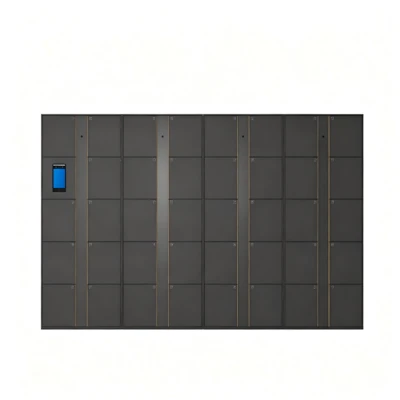
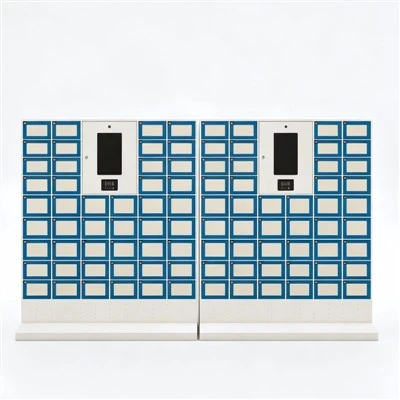
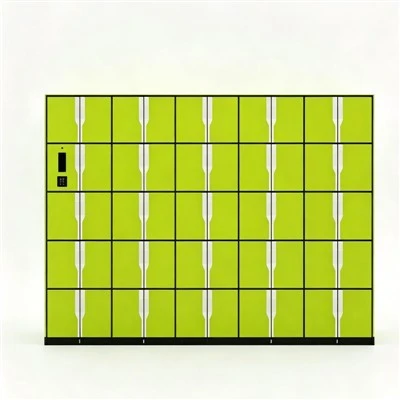
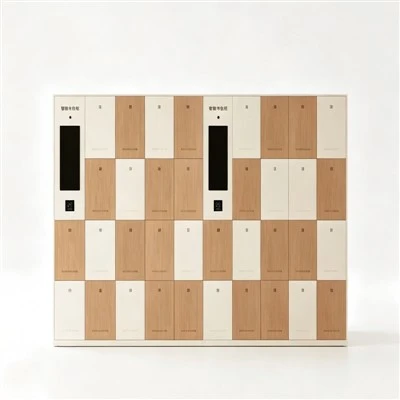
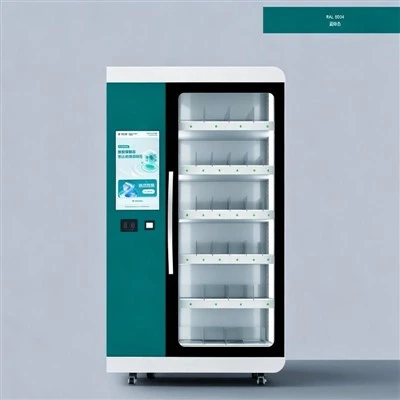
Library storage lockers serve as essential facilities in modern public libraries, providing visitors with secure and convenient storage for personal belongings. Their working principle is based on the coordinated operation of electronic control technology, identity authentication systems, and centralized management platforms, enabling automated and standardized storage processes.
During operation, users first complete identity verification to access the system. Common authentication methods include RFID cards, QR code scanning, facial recognition, or account login. Once the system confirms the user's identity, the backend management platform automatically assigns an available compartment based on real-time locker availability and generates the corresponding control command.
After receiving the command, the electronic control unit activates the locking mechanism and opens the designated locker door. The user then places their belongings inside and closes the door. Once the door is closed, the system automatically confirms the locker status and links the compartment to the user's identity, ensuring traceability and security throughout the usage process.
For retrieval, the user undergoes identity verification again. The system retrieves the corresponding usage record and unlocks the assigned compartment automatically, allowing the user to collect their belongings. The entire process is completed without manual intervention, improving efficiency and reducing administrative workload.
The backend management platform plays a central role in system coordination. It manages user permissions, assigns locker compartments, and records all operational data in real time, including usage time, locker number, and transaction status. This data supports daily management, equipment maintenance, and anomaly tracking.
In addition, the system is equipped with safety and exception detection functions. If a locker door is not properly closed, unauthorized access is attempted, or a compartment remains occupied for an extended period, the system automatically triggers alerts to ensure operational safety and proper usage order.
Overall, library storage lockers achieve automated and intelligent management of storage and retrieval processes through the integration of identity verification, electronic control, and data management systems, providing an efficient, secure, and well-organized storage solution for public libraries.