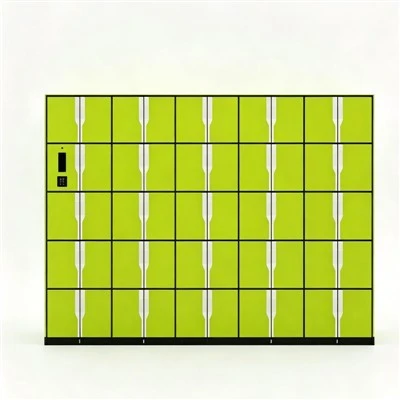
In the modern era of education technology, the concept of digitalization has permeated every corner of school life. One question that often arises is, "Are there digital school lockers?" As a seasoned school lockers supplier, I'm here to delve into this topic and shed light on the current state and future prospects of digital school lockers.


The Traditional School Locker Landscape
For decades, traditional school lockers have been a staple in educational institutions. These physical lockers, typically made of metal or plastic, provide students with a secure place to store their books, backpacks, and personal belongings. They come in various sizes and configurations to accommodate different needs, from small single - tier lockers for elementary school students to larger, multi - tier lockers for high school and college students.
However, traditional lockers have their limitations. They are prone to wear and tear, and the security mechanisms, such as combination locks or padlocks, can be unreliable. Students may forget their combinations or lose their keys, leading to inconvenience and potential security risks. Additionally, managing a large number of physical lockers can be a logistical nightmare for school administrators, who have to deal with issues like locker assignments, maintenance, and cleaning.
The Rise of Digital School Lockers
In response to the limitations of traditional lockers, the concept of digital school lockers has emerged. Digital school lockers leverage technology to provide a more secure, convenient, and efficient storage solution. These lockers are equipped with advanced features such as electronic locks, access control systems, and real - time monitoring capabilities.
One of the key advantages of digital school lockers is enhanced security. Instead of relying on traditional locks, digital lockers use technologies like RFID (Radio - Frequency Identification), biometric scanners (such as fingerprint or facial recognition), or PIN codes to grant access. This significantly reduces the risk of unauthorized access and theft. For example, if a student loses their RFID card, the school can easily deactivate it and issue a new one, preventing anyone else from using the locker.
Another benefit is convenience. With digital lockers, students no longer have to worry about carrying keys or remembering complex combinations. They can simply use their student ID cards, smartphones, or biometric data to open their lockers. This not only saves time but also makes the locker - using experience more seamless. Moreover, digital lockers can be integrated with school management systems, allowing students to reserve lockers online, view their locker history, and receive notifications about locker usage.
Types of Digital School Lockers
There are several types of digital school lockers available in the market, each designed to meet different needs.
Smart School Bag Storage Lockers
Smart School Bag Storage Lockers are specifically tailored to store students' backpacks and other large items. These lockers are equipped with adjustable shelves and compartments to accommodate different sizes of backpacks. They also feature smart sensors that can detect if a locker is overloaded or if an item has been left inside for an extended period. Some smart school bag storage lockers even come with built - in charging ports, allowing students to charge their electronic devices while they are stored in the locker.
Library Lockers
Library Lockers are designed for use in school libraries. They provide a secure place for students to store their personal belongings while they are using the library. These lockers are often smaller in size and can be installed in rows along the library walls. Library lockers may also be integrated with the library's circulation system, allowing students to borrow and return books directly from their lockers.
The Future of Digital School Lockers
The future of digital school lockers looks promising. As technology continues to evolve, we can expect to see even more advanced features and capabilities in digital lockers. For example, artificial intelligence (AI) could be used to analyze locker usage patterns and optimize locker allocation. This would ensure that lockers are used more efficiently and that students always have access to a locker when they need one.
Another area of development is the integration of digital lockers with other smart school systems. For instance, digital lockers could be connected to the school's attendance system, so that when a student enters or exits the school, their locker access is automatically updated. This would enhance security and provide a more seamless experience for students and school administrators alike.
Why Choose Our Digital School Lockers
As a school lockers supplier, we are committed to providing high - quality digital school lockers that meet the needs of modern educational institutions. Our lockers are designed with the latest technology and are built to last. We offer a wide range of options, from smart school bag storage lockers to library lockers, and can customize the lockers to fit your specific requirements.
Our digital lockers are not only secure and convenient but also easy to install and maintain. We provide comprehensive support services, including installation, training, and technical assistance, to ensure that you get the most out of your digital lockers.
Contact Us for Procurement
If you are interested in upgrading your school's locker system to a digital one, we would be more than happy to discuss your needs and provide you with a customized solution. Our team of experts can help you choose the right type of digital lockers for your school, and provide you with a detailed quote. Contact us today to start the procurement process and take the first step towards a more secure and efficient school locker system.
References
- "The Impact of Technology on School Facilities" - Journal of Educational Facilities Planning
- "Digital Security in Educational Institutions" - International Journal of Educational Technology
- "Smart Lockers: A New Era in Storage Solutions" - Storage Technology Magazine