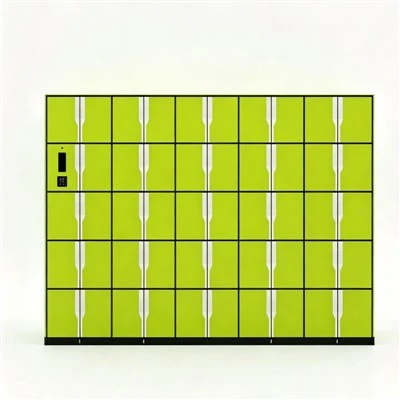
What if an employee's old locker has items left behind after the change? This is a common yet often overlooked issue in many workplaces, especially those that rely on Employee Changing Locker systems. As a supplier of high - quality employee changing lockers, we have encountered various scenarios related to this problem, and in this blog, we will delve into the possible causes, solutions, and implications of such a situation.
Possible Causes
Lack of Clear Communication
One of the main reasons why items are left behind in old lockers is the absence of clear and timely communication. If employees are not informed well in advance about the locker change, they may miss the opportunity to empty their lockers. For example, if the management simply posts a notice in a corner of the changing room a day before the change, many employees may not even see it. In addition, the notice should be detailed enough, including the exact date and time of the locker change, the new locker assignment, and what will happen to the items left behind.
Busy Work Schedules
Employees are often caught up in their daily work routines. A sudden locker change can be an added burden, especially when they have tight deadlines or heavy workloads. Some employees may forget about the locker change amidst all the stress and pressure. For instance, in a manufacturing plant where workers have to operate machines continuously during their shifts, they may not have enough time to sort through their locker items and move them to the new lockers.
Confusion about New Locker Assignments
If the new locker assignment system is not well - organized, employees may be confused about where their new lockers are. This confusion can lead to them leaving their items in the old lockers. For example, if the new lockers are numbered in a different way or located in a different area of the changing room, employees may have difficulty finding their new lockers and end up leaving their belongings behind.
Implications of Leaving Items Behind
Security Risks
Items left in old lockers can pose security risks. Valuable items such as wallets, mobile phones, or important documents may be vulnerable to theft. If the old lockers are not properly secured after the change, unauthorized people may have access to these items. Moreover, in some work environments like hospitals or laboratories, leaving personal items with sensitive information in old lockers can be a serious breach of security regulations.
Space Management Issues
Leaving items in old lockers can also cause space management problems. The old lockers are usually needed for other purposes after the change, such as maintenance or re - assignment to new employees. If the old lockers are filled with left - behind items, it will be difficult to carry out these tasks efficiently. This can lead to delays in the overall locker change process and may disrupt the normal operation of the workplace.
Employee Discontent
When employees find that their items have been left behind and are not properly handled, they may feel frustrated and dissatisfied. This can have a negative impact on their work morale and productivity. For example, if an employee's favorite tool or personal item is lost or damaged because it was left in the old locker, they may be less motivated to work effectively.
Solutions
Enhanced Communication
To prevent items from being left behind, clear and comprehensive communication is crucial. The management should send out multiple reminders to employees about the locker change. This can include emails, text messages, and announcements during team meetings. In addition, the communication should not only cover the basic information about the change but also provide step - by - step instructions on how to empty the old locker and move to the new one. For example, a detailed guide can be provided, showing the layout of the new changing room and the location of each new locker.


Provide Assistance
Offering assistance to employees during the locker change process can greatly reduce the chances of items being left behind. The company can allocate some staff members to help employees move their belongings, especially for those who are physically unable to do so on their own or have a large number of items. This can also help employees who are confused about the new locker assignments. For example, having a team of guides in the changing room to direct employees to their new lockers can make the process smoother.
Establish a Lost - and - Found Procedure
Even with the best efforts, there may still be some items left behind. In this case, establishing a lost - and - found procedure is essential. The company should have a designated area to collect all the left - behind items from the old lockers. The items should be carefully labeled with information such as the locker number and a time - limit for the owners to claim them. This way, employees can easily retrieve their items if they realize they have left something behind.
Our Product Advantages
At our company, our Employee Changing Locker systems are designed to minimize the occurrence of such problems. Our lockers are equipped with features that make it easier for employees to manage their belongings. For example, our lockers have adjustable shelves and compartments, which allow employees to organize their items more efficiently. This makes it less likely for items to be forgotten during a locker change.
In addition, we also offer Smart Medical Changing Locker and Smart Shoe Locker options. These smart lockers come with advanced security features such as fingerprint or card access, which can enhance the security of employees' belongings. Our Smart Medical Shoe Locker with Sanitization is a great example, especially in workplaces where hygiene is of utmost importance.
Conclusion
In conclusion, dealing with items left behind in old lockers after a locker change is an important issue that requires careful attention. By understanding the possible causes, implications, and solutions, workplaces can ensure a smooth locker change process and maintain the satisfaction of their employees. As a leading supplier of employee changing lockers, we are committed to providing high - quality products and services to help our clients address these issues. If you are interested in our products or have any questions about locker management, please feel free to contact us for a purchase discussion.
References
- Smith, J. (2020). Workplace Locker Management Best Practices. Journal of Workplace Efficiency, 15(2), 32 - 45.
- Johnson, A. (2019). The Impact of Locker Organization on Employee Productivity. Workspace Studies, 10(3), 56 - 70.