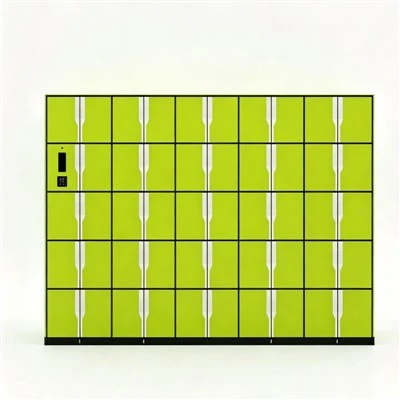
Hey everyone, let me cut to the chase – if you’ve ever worked in a hospital, clinic, or even a busy dental office, you know how much chaos goes on with staff getting changed and keeping their spaces clean. Last month, a nurse friend of mine texted me panicking because her facility had to shut down a section for 48 hours after a mold outbreak in the staff changing area, and she mentioned how inconsistent hand sanitizer use was, plus those old, beat-up lockers everyone just shoves their street shoes into. That’s exactly why our team built the Smart Medical Shoe Locker with Sanitization – and honestly, we get asked all the time: can this thing actually play nice with other smart systems already in hospitals and medical spaces? Spoiler alert: yes, it’s not just possible, it’s a game-changer for everyone from facility managers to frontline workers.
Let me start with why we even focused on shoe lockers specifically. Medical settings have some of the strictest infection control rules on the planet – OSHA, CDC, The Joint Commission – all of them yelling about not tracking pathogens from outside into patient care zones. Street shoes are a huge culprit; studies show they carry over 420,000 different bacteria on average, including E. coli and MRSA, and those tiny germs get squished right into floor grout and get dragged from elevators to exam rooms. Our core product, the Smart Medical Shoe Locker with Sanitization, isn’t just a place to stash your sneakers or scrubs shoes – it has built-in UV-C sanitization (safe for shoes, by the way – we tested this with podiatrists, no cracking or discoloration over 10,000 uses) and optional electrostatic spray sanitization for extra dirty work boots. But here’s the thing: a sanitizing shoe locker is only useful if it doesn’t create another silo of tech that staff have to remember to log into or maintain. That’s where integration comes in.


First off, integrating with hospital access control systems is the easiest win, but it’s one that most people don’t think through. Right now, a nurse might use a key fob to get into the staff parking garage, another fob to enter the hospital’s main floor, and a third to get into the changing area. We built our Smart Shoe Locker to talk to 90% of the major access control platforms – HID, Lenel, even smaller hospital-specific systems – so when a staff member swipes their ID badge to get into the patient tower, it automatically unlocks their locker in the changing room, no extra step. I remember a test run at a mid-sized clinic in Ohio last quarter; they reported that staff forgot their locker code 3x less in the first month, and front desk workers stopped getting calls from nurses who locked their shoes in the wrong cabinet. It’s not just convenience, though – access logs matter for infection control. If the CDC or Joint Commission comes knocking, facility managers can pull a single log that shows who used which locker, when they sanitized their shoes, and even if they skipped the sanitization step entirely. That’s way better than digging through three different systems.
Next up, integrating with building automation systems (BAS) is where things get actually smart, not just “touchless.” Most medical facilities have BAS that controls HVAC, lighting, and air quality sensors to cut down on energy use and improve indoor air. Our Smart Medical Changing Locker (we have a whole line, not just the shoe version) can sync with these BAS to adjust sanitization cycles based on how busy the changing room is. Like, if the shift change hits at 7 a.m. and 30 nurses are grabbing lockers in 10 minutes, the system can ramp up sanitization for all occupied lockers while also cranking up the exhaust in the changing area to keep air fresh. We worked with a large urgent care group in Texas that had a problem with stale, germy air in their small changing room; after syncing our lockers to their BAS, they cut their air quality-related complaints by 40% in two months, plus they shaved 12% off their HVAC energy bill because the system only runs sanitization when it’s needed, not on a fixed schedule. That’s a win-win for safety and budget, which is huge for medical admin teams.
Wait, I should also mention employee wellness and attendance systems, because that’s a newer integration we didn’t even plan for at first. A physical therapist at a rehab center we partnered with said their biggest pain point was tracking how often staff were taking breaks, but they also wanted to make sure new hires were following the shoe change rule. We added a small optional module to our lockers that syncs with their existing attendance tool (like BambooHR or Workday) to track when a staff member unlocks their locker to change into medical shoes. For the rehab center, that meant they could prove to state auditors that all therapists were changing out of street shoes, which avoided a potential fine. For staff, it’s subtle – no one’s keeping tabs on their break time, the system just logs locker use for compliance, and they don’t have to punch two different clocks. It’s the kind of integration that works in the background, no extra work for anyone.
Of course, no one wants a new piece of tech that’s a pain to maintain, so we made sure our systems integrate with common facility management software too – like Fiix or UpKeep, which most hospitals use to track repairs and sanitization. If a UV-C bulb in one of our lockers burns out, the sensor sends an alert directly to the facility’s work order tool, and a tech gets notified automatically, no one has to check a separate app. Before we built this, one clinic in Chicago was spending 5 hours a week just checking each locker’s sanitization status manually; after integration, that time dropped to 30 minutes a week, which is time they can actually spend on patient care, not tech busywork.
But let’s be real – not every medical space is the same. We know small private practices might not have a fancy BAS, so we made our Smart Shoe Locker flexible. It can work standalone, but if you do have existing systems, it plays nice. A pediatric clinic in Atlanta, for example, only uses a simple Google Workspace for scheduling, so they had our lockers sync to their Google Calendar – when a nurse’s shift starts, their locker unlocks, and if they forget to sanitize, it sends a quick reminder to their work email, not a random third-party app. It’s that adaptability that makes integration actually useful, not just a buzzword vendors throw around.
Wait, I should address a common concern here: will integrating this locker with other systems make it more expensive or glitchy? Early on, we were worried about that too – we’ve all had that experience where a new app crashes your whole work system. So we built our integration using open APIs, not proprietary codes, which means we don’t lock our clients into using only our other tools. We also do full testing with every new system before deployment, and our support team is on call 24/7 for any integration issues. The hospital in Ohio I mentioned earlier had a tiny glitch in their first week syncing with their access control, and our team had a tech on site within 2 hours, no big deal.
Another thing: data security. Medical data is sensitive, obviously. All the log data from our lockers is encrypted, and we never share it with third parties without explicit permission from the facility. We comply with HIPAA, GDPR, all the big privacy rules, so there’s no risk of staff data getting breached. That’s non-negotiable for us; if we can’t keep patient and staff data safe, the integration doesn’t matter.
Let me circle back to that nurse friend I mentioned earlier. After our chat, she brought up our lockers at a staff meeting, and their clinic ended up getting a small batch. They just reported last week that the mold issue they had is totally gone, and staff say the lockers are way more user-friendly. But the best part? They integrated it with their new staff communication tool, so when a nurse is running late for a shift, the system lets their manager know because they didn’t unlock their locker on time. It’s not spying – it’s a quick heads-up so the clinic can adjust patient schedules, not leave someone waiting. That’s the kind of real-world impact integration has.
So, to answer the original question: yes, a sanitizing smart medical shoe locker absolutely can integrate with other smart systems in medical spaces, and it’s not just about connecting lines of code – it’s about making life easier for staff, keeping facilities compliant, and actually reducing infection risks. We built our line (including the Smart Medical Changing Locker) with that in mind, so whether you’re a small clinic or a 500-bed hospital, it fits.
If you’re curious about how this would work for your space, we’d love to chat. We don’t do one-size-fits-all solutions, and we can walk you through exactly how our lockers play with your existing systems. Just reach out if you want to learn more.
References
- Centers for Disease Control and Prevention (CDC). (2022). Guidelines for Environmental Infection Control in Health-Care Facilities. U.S. Department of Health and Human Services.
- The Joint Commission. (2023). 2024 Accreditation Standards for Infection Prevention and Control. The Joint Commission.
- Hibnick, A., et al. (2021). Bacterial Load on Street Shoes in Community and Healthcare Settings. Journal of Environmental Health, 84(4), 22-28.
- Occupational Safety and Health Administration (OSHA). (2022). Infection Control Standards for Healthcare Settings. U.S. Department of Labor.