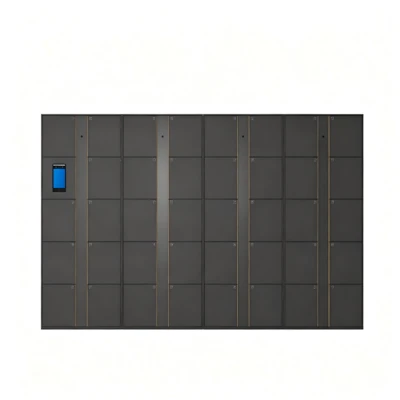
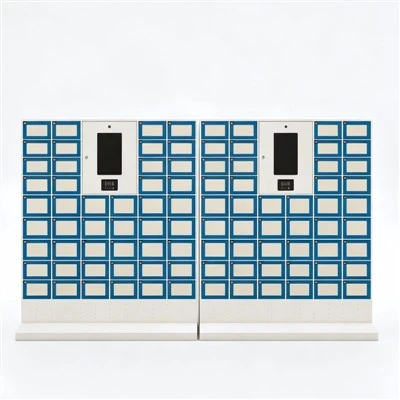
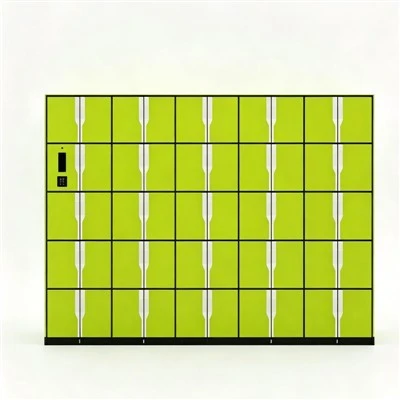
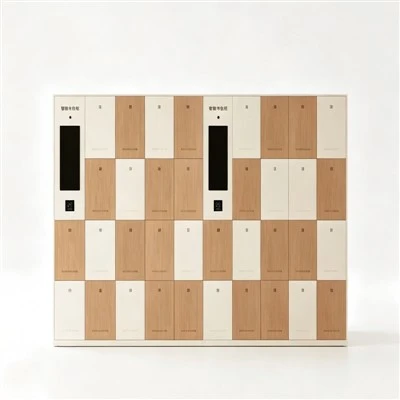
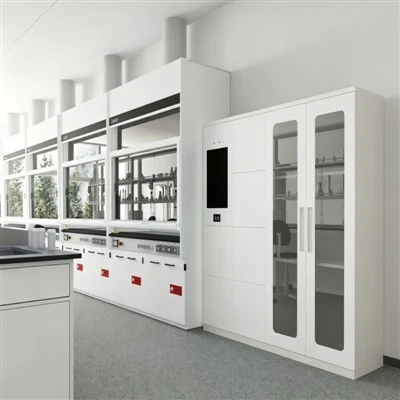
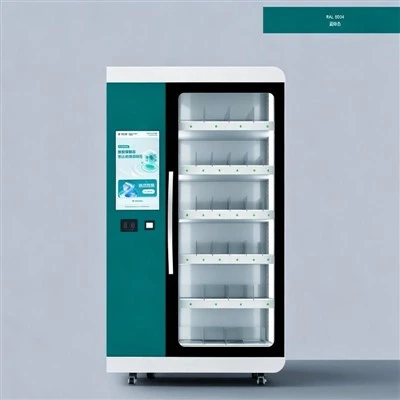
Electronic smart lockers are modern storage systems built on the integration of Internet of Things (IoT) technology, digital management platforms, and electronic control mechanisms. By combining hardware and software systems, they enable automated and data-driven management of storage and retrieval processes, replacing traditional mechanical locks and manual record-keeping. These systems are widely used in schools, hospitals, enterprises, factories, transportation hubs, and public service environments.
At their core, electronic smart lockers are not merely storage devices but intelligent terminal systems that integrate identity verification, access control, data logging, and remote monitoring. A typical system consists of a locker structure, electronic locking modules, user authentication devices, communication units, and a centralized management platform. These components are interconnected through network communication, ensuring secure, efficient, and coordinated operation.
In practical use, users must first complete identity verification through methods such as RFID cards, facial recognition, QR code scanning, fingerprint authentication, or account login. Once verified, the system automatically assigns an available compartment and triggers the electronic lock to open. Users can then store or retrieve their belongings without manual assistance, significantly improving operational efficiency.
A key feature of electronic smart lockers is their data management capability. Every interaction is automatically recorded, including user identity, time of access, locker status, and operational details. This information is stored in a centralized system, forming a complete data trail that supports daily administration, behavioral analysis, resource optimization, and security auditing.
Security is another major advantage. Multi-layer authentication and access control mechanisms help prevent unauthorized access. In addition, the system can detect abnormal activities such as forced entry attempts or overdue usage and immediately notify administrators, reducing potential security risks.
Furthermore, electronic smart lockers offer strong scalability and system compatibility. They can be integrated with access control systems, campus management platforms, hospital information systems, and enterprise resource planning (ERP) systems, enabling coordinated management across different application scenarios.
Overall, electronic smart lockers represent a significant evolution from traditional storage methods toward digital and intelligent management systems. They serve as a foundational component in modern smart management infrastructures.