As manufacturers continue to adopt digital transformation strategies and lean production practices, the demand for greater efficiency, accuracy, and traceability in material management has grown significantly. Traditional material management methods often depend on manual record-keeping and experience-based decision-making, which can result in inventory inaccuracies, incomplete usage records, and unnecessary waste. Smart material management solutions leverage IoT technologies, automated identification systems, and digital management platforms to create a more transparent, efficient, and traceable approach to inventory and material control.
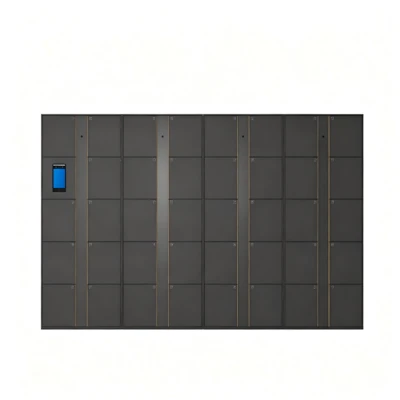
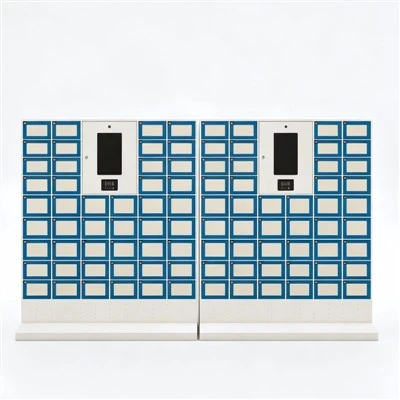
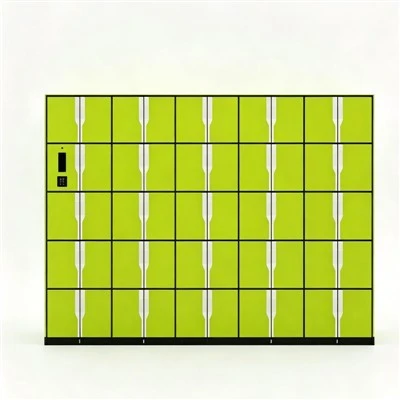
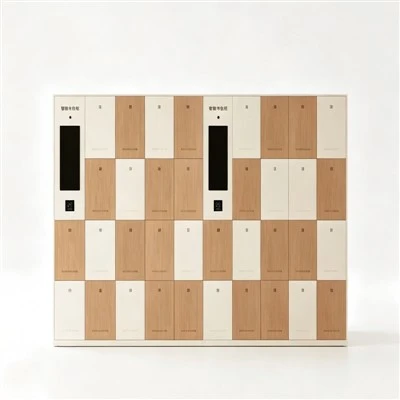
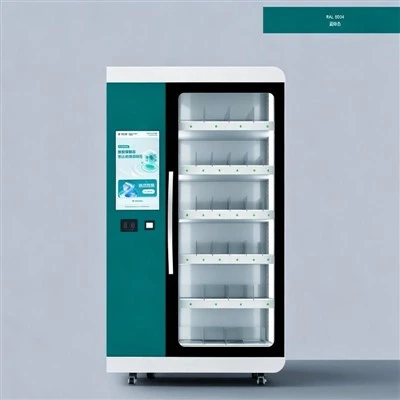
A typical smart material management system consists of intelligent storage cabinets, RFID identification devices, user authentication terminals, centralized management software, and data analytics tools. Employees can access authorized materials through various authentication methods, including staff ID cards, facial recognition, QR codes, or secure passwords. Every transaction is automatically recorded, capturing information such as the user, access time, material type, quantity issued, and return status. This enables complete visibility throughout the material lifecycle.
Real-time inventory monitoring is one of the system's most valuable features. By utilizing RFID technology, barcode scanning, or intelligent weighing systems, inventory levels can be tracked continuously and updated automatically. When stock levels fall below predefined thresholds, the system generates replenishment alerts, helping organizations avoid production delays caused by material shortages. Managers can access accurate inventory data at any time, improving warehouse efficiency and operational control.
Cost management is another significant benefit. The system records material consumption by department, project, or individual employee, allowing organizations to identify unusual usage patterns and reduce waste. Detailed analytical reports support more accurate procurement planning and resource allocation, helping businesses lower inventory carrying costs while improving capital utilization.
Smart material management platforms can also integrate seamlessly with Enterprise Resource Planning (ERP) systems, Manufacturing Execution Systems (MES), Warehouse Management Systems (WMS), and broader smart factory infrastructures. This integration promotes collaboration between procurement, production, warehousing, and supply chain operations while streamlining workflows across the organization.
As technologies such as artificial intelligence, big data analytics, and the Internet of Things continue to advance, smart material management systems are becoming increasingly automated, intelligent, and predictive. By establishing a digital material management framework, organizations can improve supply chain responsiveness, strengthen operational performance, and build a solid foundation for future smart manufacturing initiatives.