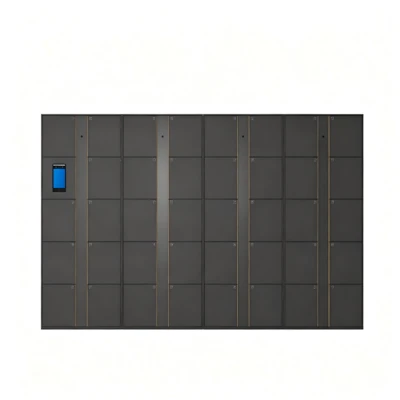
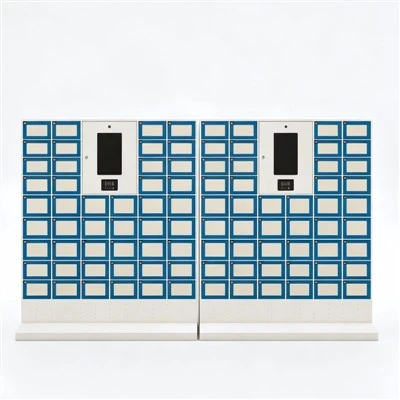
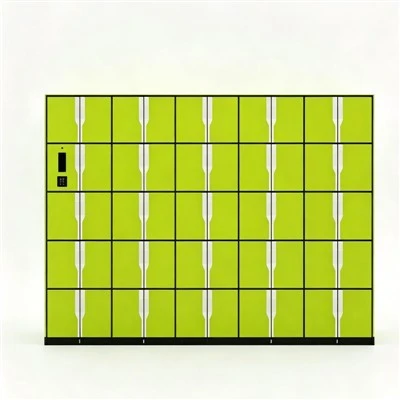
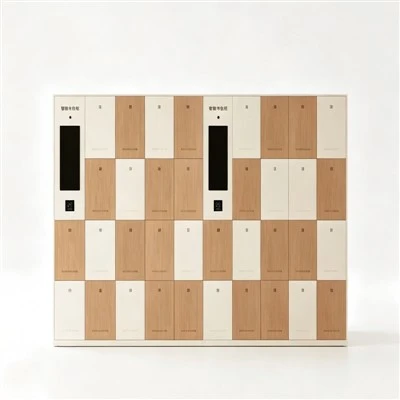
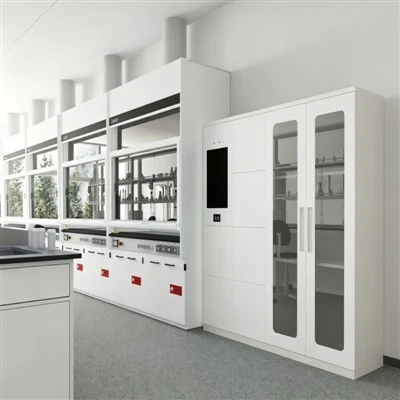
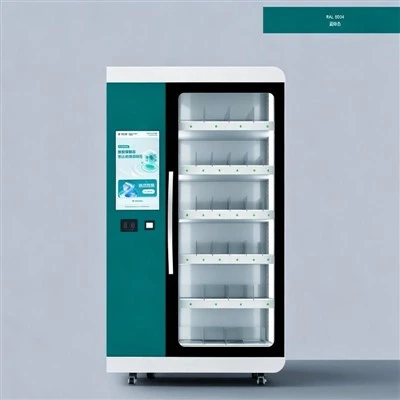
Smart hospital changing lockers are an essential part of modern intelligent hospital logistics management systems. They are primarily used for the storage and management of clothing and personal belongings for medical staff, surgical teams, and other hospital personnel. By integrating digital technologies with intelligent control systems, these lockers significantly improve hospital operational efficiency, enhance medical safety, and optimize workflow management.
One of their core functions is identity authentication and access control. These systems typically support multiple verification methods, including RFID cards, facial recognition, fingerprint scanning, and QR code authentication. Only authorized personnel are allowed to access designated lockers, ensuring strict control over entry and usage in sensitive areas such as operating rooms, sterile zones, and restricted medical departments. This helps prevent unauthorized access and operational errors.
Another important function is zoned management and dedicated storage. Different departments and staff roles can be assigned specific locker areas, enabling clear separation between clean and contaminated items. For example, surgical gowns, isolation clothing, and daily uniforms can be stored separately, reducing the risk of cross-contamination and supporting strict hygiene standards within the hospital environment.
Smart tracking and traceability are also key features. The system automatically records all locker activities, including user identity, access time, door status, and storage operations, forming a complete data trail. This information supports daily administrative tasks as well as safety audits and accountability tracking in medical operations.
In addition, smart hospital lockers are equipped with anomaly detection and safety alert functions. If a locker remains open for too long, is accessed without authorization, or is occupied beyond the allowed time, the system will automatically issue alerts to prompt timely intervention, improving overall management responsiveness and safety control.
In terms of hygiene and environmental control, some advanced systems include ultraviolet sterilization, ventilation, and dehumidification features to maintain a clean and dry internal environment, further meeting the strict hygiene requirements of hospital settings.
Overall, smart hospital changing lockers integrate intelligent identification, access control, zoned management, and data tracking to enhance the standardization and safety of hospital logistics management, making them a vital component of modern smart healthcare infrastructure.