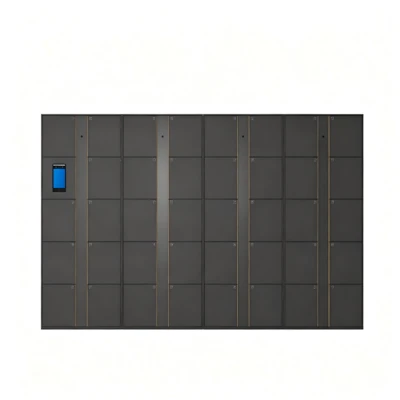
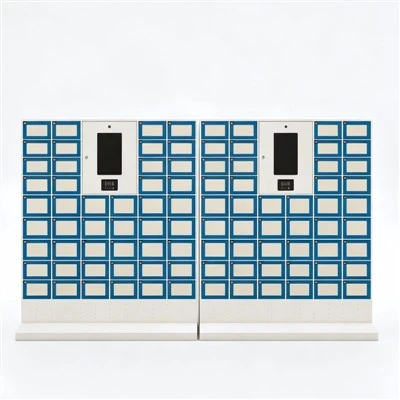
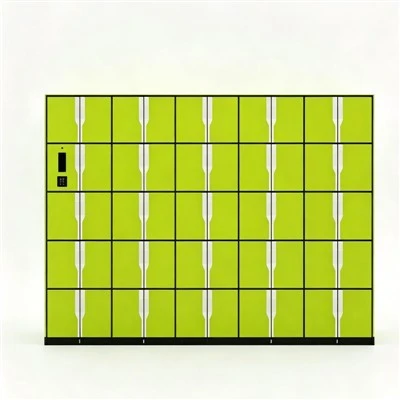
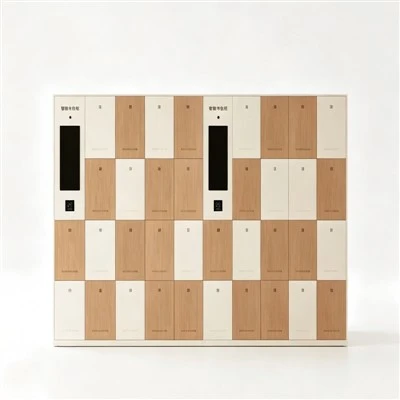
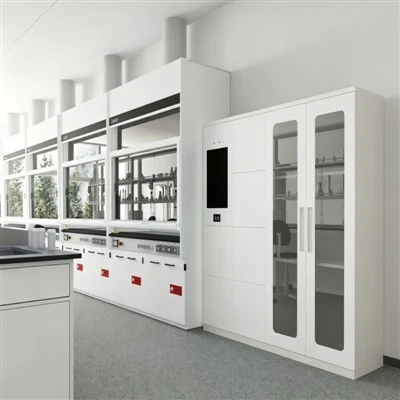
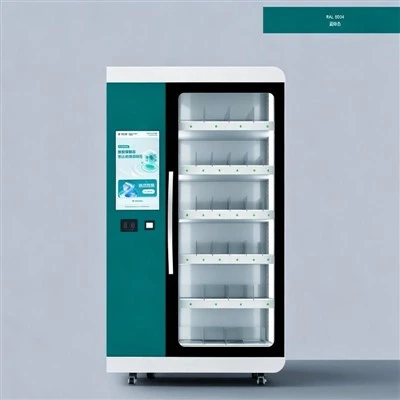
Laboratory equipment management cabinets are essential facilities in modern research and educational environments, designed for the centralized storage and intelligent management of instruments, consumables, and precision devices. With the increasing complexity of scientific research and the growing demand for standardized laboratory management, these systems leverage digital and intelligent technologies to ensure efficient control and secure handling of laboratory resources.
In terms of core features, laboratory management cabinets are typically equipped with intelligent identification and access control functions. Users can be authenticated through RFID cards, facial recognition, fingerprint scanning, or account login systems. Based on predefined permission levels, access to specific equipment or materials is granted accordingly, effectively preventing misuse or unauthorized operations. In addition, every access event is automatically recorded, including user identity, time of use, equipment details, and status changes, forming a complete and traceable data record.
Safety is one of the most critical features of these systems. Since laboratories often involve expensive instruments or materials related to hazardous substances, management cabinets are equipped with electronic locking systems and abnormal activity alert mechanisms. In cases of unauthorized access attempts, overdue returns, or unusual operations, the system can immediately generate alerts to ensure both asset protection and personnel safety.
Another important feature is intelligent management capability. Through a centralized backend platform, functions such as inventory tracking, usage frequency analysis, reservation scheduling, and maintenance reminders can be achieved. This enables more scientific allocation of laboratory resources, improves equipment utilization, and reduces idle waste.
In terms of application scenarios, these cabinets are widely used in university laboratories, research institutions, biomedical labs, chemical laboratories, and corporate R&D centers. In universities, they help standardize experimental procedures and improve safety and management efficiency in teaching environments. In research institutions, they are used for centralized management of high-value instruments and experimental materials, ensuring controlled usage and data reliability. In corporate R&D settings, they support shared equipment management across multiple project teams, improving collaboration efficiency.
Overall, laboratory equipment management cabinets integrate intelligent identification, safety control, and data-driven management to enhance the standardization and security of laboratory operations. They provide efficient and reliable support for scientific research and teaching activities and represent a key component of modern smart laboratory infrastructure.