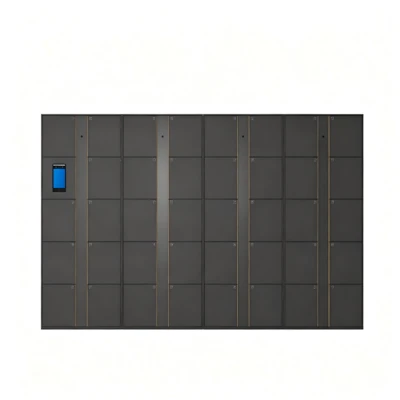
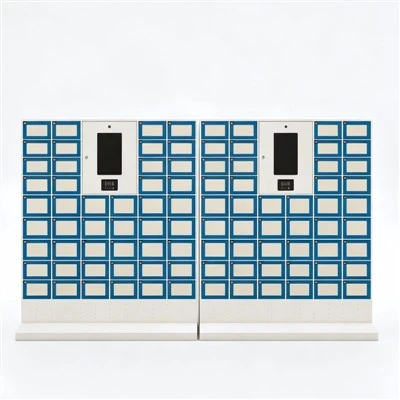
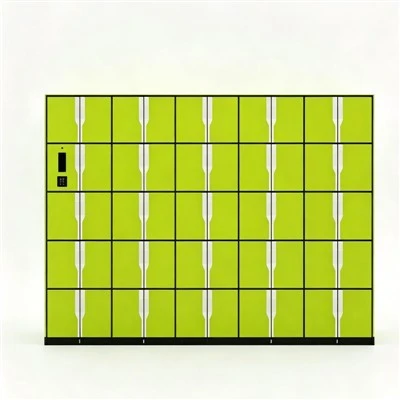
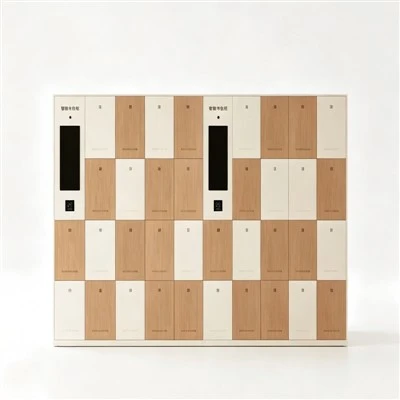
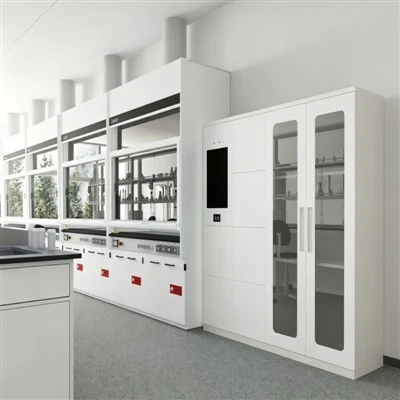
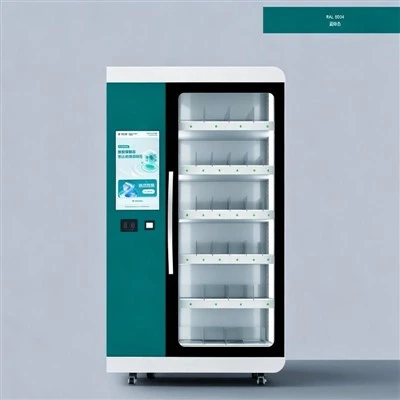
Smart tool cabinets are an essential part of modern industrial and equipment management systems, designed for centralized storage, intelligent control, and standardized usage of various tools. As industries such as manufacturing, maintenance, and engineering increasingly demand more precise tool management, smart tool cabinets enable controllable and traceable tool usage throughout the entire lifecycle through digital and automated technologies.
One of their primary functions is centralized storage and standardized management of tools. Traditional tool management methods often rely on manual registration and experience-based control, which can lead to issues such as tool loss, misuse, or duplicate borrowing. Smart tool cabinets organize tools by category, specification, or usage frequency, improving access efficiency and reducing management disorder through structured and digitalized storage.
Another key function is access control. The system typically verifies user identity through methods such as RFID cards, facial recognition, fingerprint scanning, or account authentication. Based on role permissions, only authorized users are allowed to access specific tools. This mechanism effectively prevents unauthorized usage, enhances operational safety, and reduces manual supervision costs.
Smart tool cabinets also provide comprehensive borrowing and return tracking capabilities. Every tool transaction is automatically recorded, including user identity, time of access, and tool status. This data supports later analysis, responsibility tracking, and maintenance management, improving overall transparency and accountability.
In addition, these systems enable dynamic inventory management and automatic alerts. When certain tools are running low or not returned on time, the system automatically notifies administrators for replenishment or intervention, ensuring that operational activities are not disrupted due to tool shortages.
In industrial and maintenance environments, smart tool cabinets can also integrate with enterprise management systems, linking tools with work orders, equipment, or projects. This improves operational coordination and enhances resource utilization efficiency.
Overall, smart tool cabinets transform traditional manual tool management into a digital, intelligent, and highly controlled system through access control, data tracking, and automated management functions. They have become a critical component in modern industrial environments for improving efficiency, safety, and organizational accuracy.