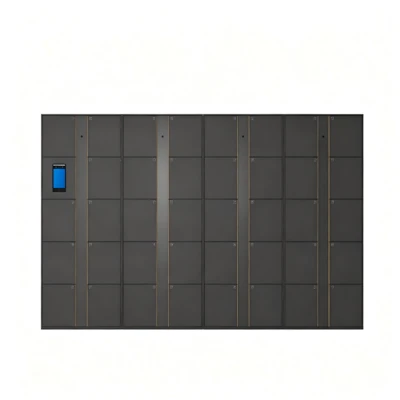
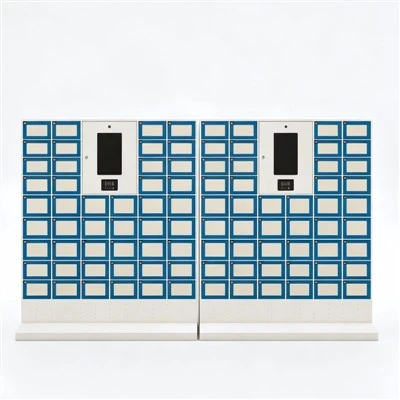
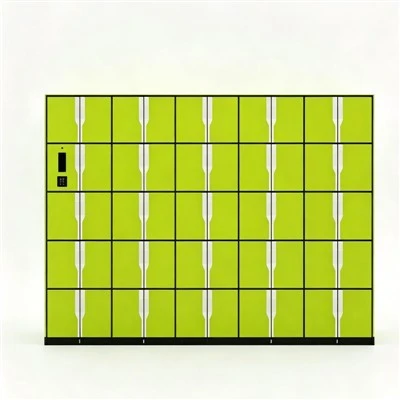
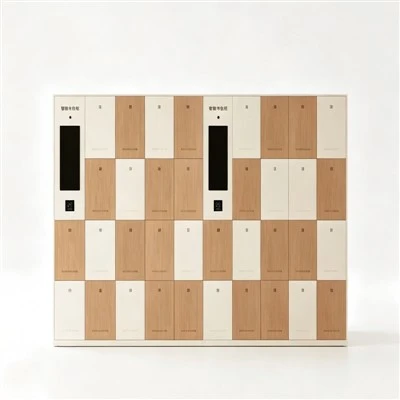
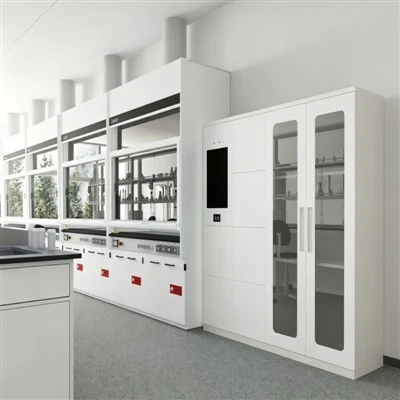
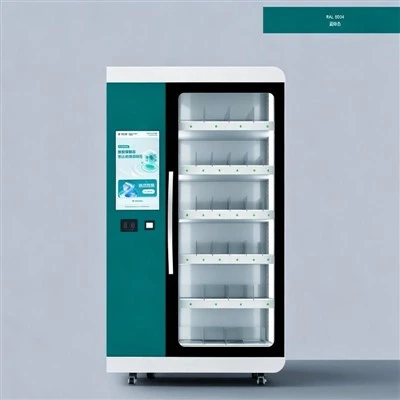
With the rapid development of Internet of Things (IoT) technologies and the growing demand for intelligent management solutions, smart lockers have been widely adopted in schools, hospitals, offices, shopping centers, libraries, and public facilities. Compared with traditional storage lockers, smart lockers offer higher efficiency, enhanced security, and a more convenient user experience. Understanding how these systems operate helps explain their increasing popularity across various industries.
A smart locker system typically consists of a locker cabinet, a central control unit, electronic locks, user authentication devices, management software, and network communication modules. These components work together to automate and digitize the storage and retrieval process.
When using a smart locker, the user first completes an identity verification process. Depending on the application environment, authentication methods may include RFID cards, facial recognition, QR codes, PIN codes, or fingerprint verification. Once the user's identity is successfully validated, the management system automatically assigns a locker compartment and sends an unlock command to the control unit. The electronic lock then opens, allowing the user to store or retrieve personal belongings.
Throughout the process, operational data is recorded and stored in the management platform. Information such as user identification, access time, locker status, and transaction history can be tracked in real time. Administrators can monitor locker usage, manage user permissions, generate reports, and receive alerts through a centralized management interface. In cases involving unauthorized access attempts, equipment malfunctions, or overdue items, the system can automatically issue notifications to improve security and operational efficiency.
Modern smart lockers are also equipped with network communication capabilities, enabling connectivity through local networks, Wi-Fi, 4G, or IoT-based communication technologies. This allows centralized management of multiple locker units across different locations. Advanced systems may further incorporate data analytics and intelligent scheduling features to optimize resource allocation and utilization.
As smart campuses, smart healthcare facilities, and digital workplaces continue to evolve, smart lockers are becoming more than simple storage devices. They are transforming into intelligent management terminals that support automation, security, and operational efficiency. With continued advancements in artificial intelligence, big data, and IoT technologies, smart lockers are expected to deliver even greater value and play a critical role in future digital infrastructure.