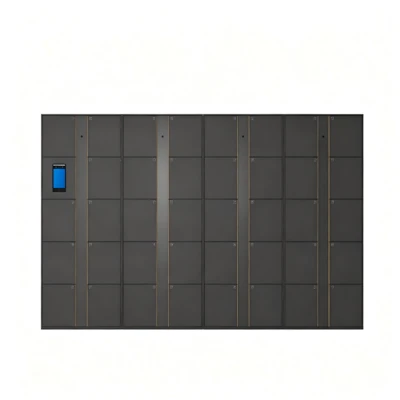
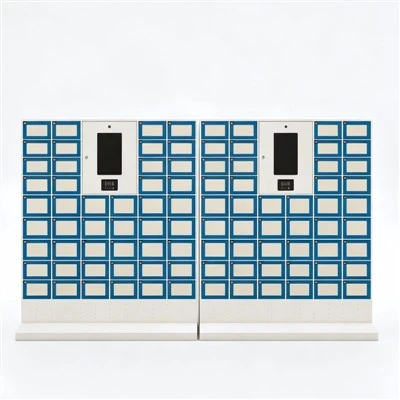
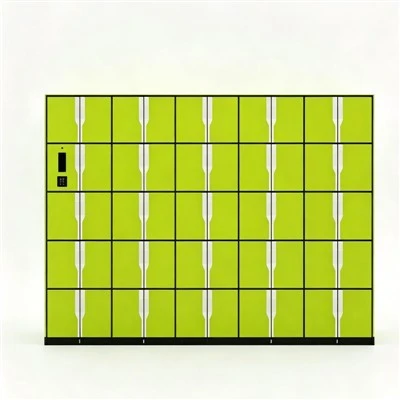
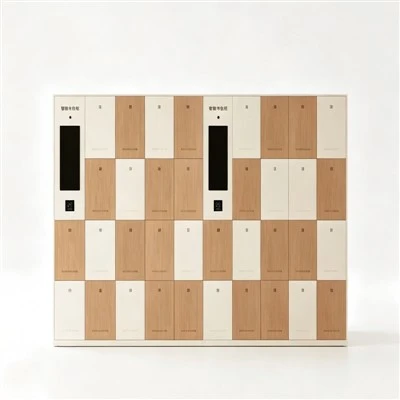
As smart manufacturing and digital factory initiatives continue to evolve, businesses are placing greater emphasis on workforce management, operational compliance, and workplace hygiene. In industries such as food processing, pharmaceuticals, electronics manufacturing, chemical production, and cleanroom operations, employee changing and footwear management play a critical role in maintaining product quality and environmental safety. Smart changing and shoe locker solutions provide a modern approach that enhances efficiency, security, and regulatory compliance throughout the workplace.
Traditional locker systems typically rely on mechanical locks and physical keys, creating challenges such as lost keys, inefficient allocation of storage space, and limited visibility into locker usage. Managing large numbers of employees often requires significant administrative effort, making it difficult to maintain accurate records and ensure accountability. Smart locker systems address these issues through centralized digital management and automated user authorization.
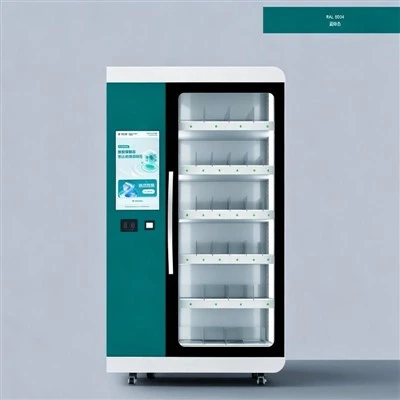
The solution supports multiple authentication methods, including RFID cards, facial recognition, fingerprint verification, and QR code access. Once authenticated, employees can quickly access their assigned lockers for changing clothes and footwear. Every transaction is automatically recorded, including user identity, access time, and locker status. This creates a complete digital audit trail and allows managers to monitor locker utilization and operational performance through a centralized management platform.
Workplace hygiene is another important benefit. Smart changing and shoe lockers can be configured to separate work uniforms, personal belongings, and production footwear, helping reduce the risk of cross-contamination. Advanced systems may also incorporate ultraviolet disinfection, ozone sterilization, ventilation, and humidity control functions to maintain a cleaner and safer storage environment. Access permissions can be customized according to job roles and operational requirements, ensuring compliance with workplace procedures.
In addition, smart locker systems can be integrated with access control systems, attendance management platforms, Manufacturing Execution Systems (MES), and broader smart factory infrastructures. This connectivity enables seamless data exchange and supports more coordinated workforce and production management.
As the adoption of IoT, artificial intelligence, and data analytics continues to expand, smart changing and shoe locker solutions will play an increasingly important role in modern manufacturing environments. By improving operational control, workplace hygiene, and resource management, these systems help organizations create safer, more efficient, and more intelligent production facilities.