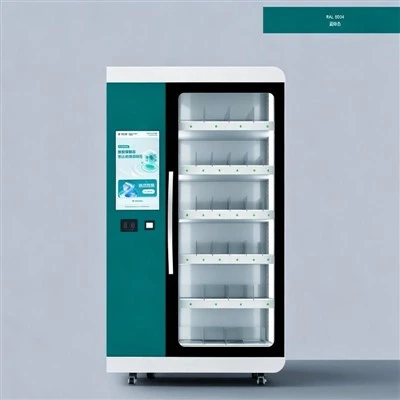
As digital transformation and smart manufacturing continue to reshape modern industries, effective tool management has become a critical component of operational success. In sectors such as manufacturing, aerospace, energy, railway transportation, and equipment maintenance, the availability and control of professional tools directly impact productivity, workplace safety, and operating costs. Traditional management methods often rely on manual records and paper-based processes, which can lead to misplaced tools, inaccurate inventory data, and limited accountability. Smart tool management solutions address these challenges by providing a digital, automated, and highly traceable management framework.
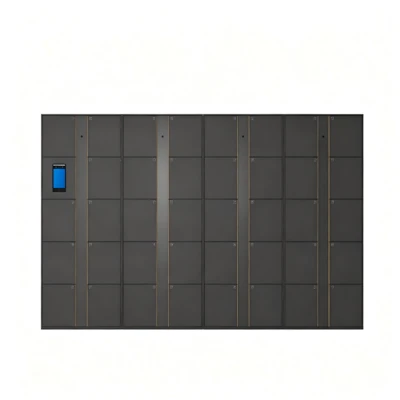
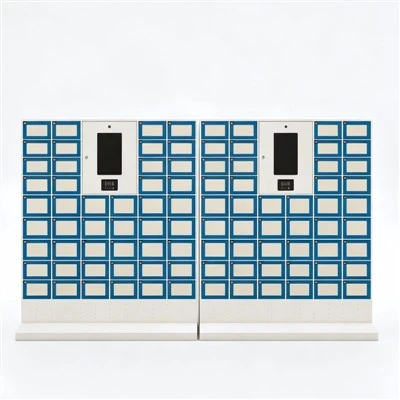
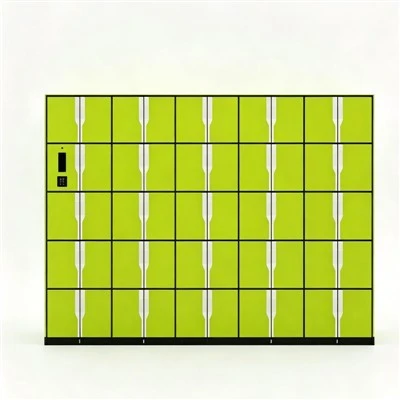
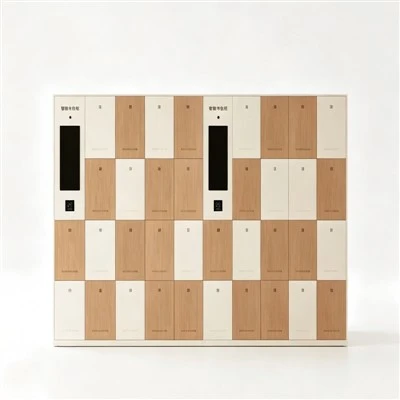
A typical smart tool management system consists of intelligent tool cabinets, user authentication devices, RFID technology, centralized management software, and data analytics capabilities. Employees authenticate their identity through methods such as staff ID cards, facial recognition, fingerprint verification, or secure passwords before accessing authorized tools. Every transaction is automatically recorded, including the user, checkout time, return time, and tool status, creating a complete and transparent audit trail.
One of the most significant advantages of smart tool management is real-time visibility and traceability. Managers can monitor inventory levels, tool usage, and movement records through a centralized platform at any time. The system can automatically generate alerts when tools are overdue for return, inventory levels become critically low, or unusual access activities are detected. This helps organizations reduce tool loss, improve accountability, and maximize asset utilization.
In production environments, intelligent tool cabinets enable organized storage and designated placement of equipment, reducing the time employees spend searching for tools and increasing overall productivity. Access control features ensure that workers can only obtain tools relevant to their roles and responsibilities, supporting both operational safety and compliance requirements.
Smart tool management systems can also integrate with Enterprise Resource Planning (ERP) platforms, Manufacturing Execution Systems (MES), maintenance management software, and broader smart factory infrastructures. This connectivity allows tool management data to support production planning, equipment maintenance scheduling, and resource optimization across the organization.
As technologies such as the Internet of Things, artificial intelligence, and big data analytics continue to advance, smart tool management systems are becoming increasingly intelligent and autonomous. By establishing a comprehensive digital tool management framework, organizations can improve operational efficiency, strengthen asset control, and build a solid foundation for future smart manufacturing initiatives.