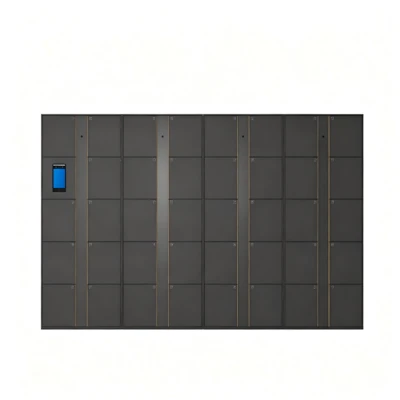
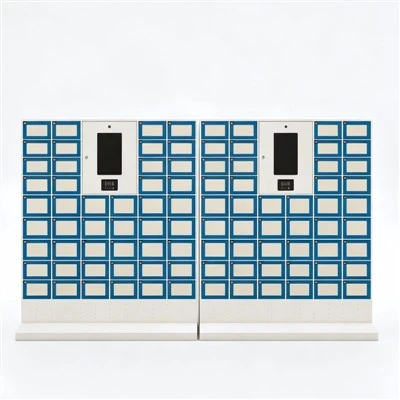
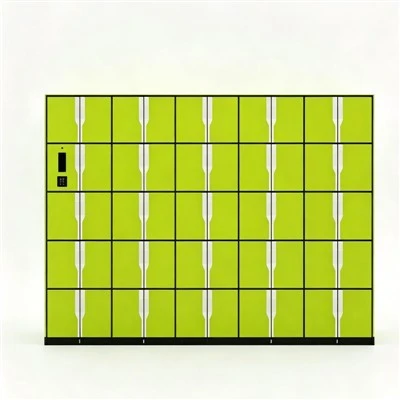
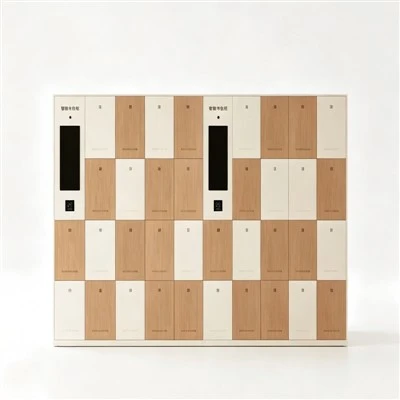
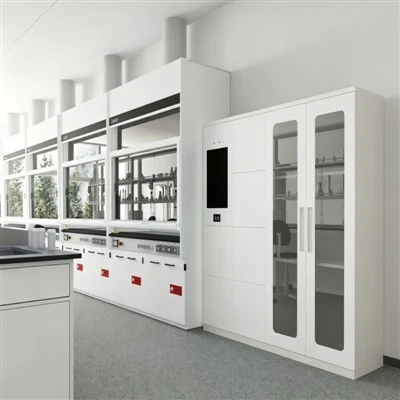
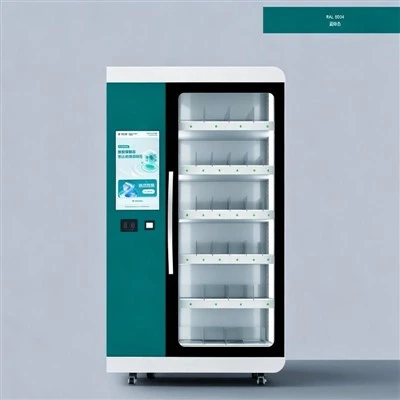
As modern manufacturing continues to advance toward digitalization and standardized operations, smart factory shoe changing lockers have become an essential component of clean production environments and personnel management systems. In industries such as food processing, electronics manufacturing, pharmaceuticals, and precision engineering, shoe changing procedures directly affect workplace cleanliness and product quality. Therefore, selecting the right smart shoe changing locker is crucial for improving overall factory management efficiency.
The first factor to consider is the application scenario and operational requirements. Different factories vary in workforce size, cleanliness standards, and management protocols. For example, cleanroom environments require higher levels of dust control and contamination prevention, while general production workshops prioritize operational efficiency and ease of use. The system configuration and structural design should therefore be selected according to actual working conditions.
Identity authentication and access control capabilities are another key consideration. High-quality smart shoe lockers typically support multiple verification methods, including RFID cards, facial recognition, fingerprint scanning, and QR code access. They also enable role-based permission management, ensuring that employees can only access authorized compartments, which helps standardize procedures and enhance operational security.
Hygiene and protection performance are also critical factors. In industrial environments, footwear can easily carry dust and contaminants, so smart shoe lockers should feature proper isolation design and optional functions such as ultraviolet sterilization, ozone disinfection, and ventilation or dehumidification systems. These features help reduce cross-contamination risks and maintain stable production conditions.
System stability and scalability are equally important. The equipment should be equipped with a reliable electronic control system and strong network connectivity, allowing integration with factory MES platforms, access control systems, and attendance management systems. Modular design also supports future expansion and simplifies maintenance, reducing long-term operational costs.
Finally, after-sales service and technical support should not be overlooked. A reliable maintenance system ensures long-term stable operation and minimizes downtime risks.
Overall, selecting smart factory shoe changing lockers requires a comprehensive evaluation of operational environment, access control functions, hygiene protection, system compatibility, and service support, enabling a safe, efficient, and intelligent shoe changing management solution.