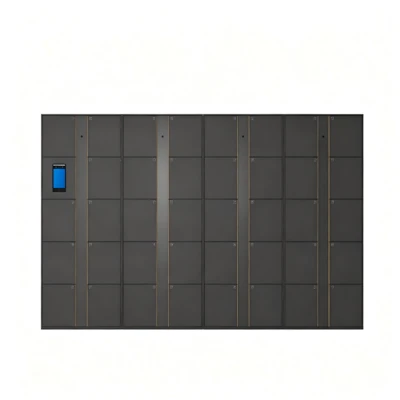
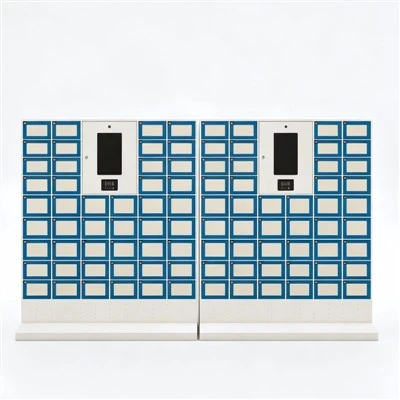
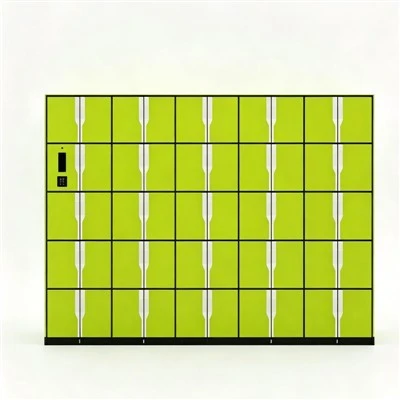
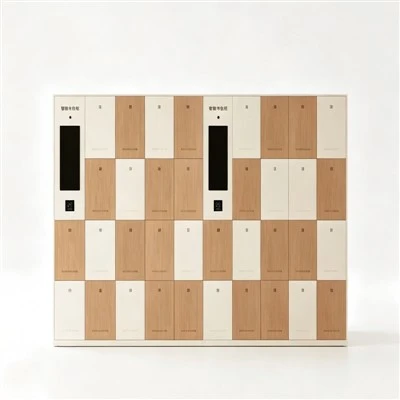
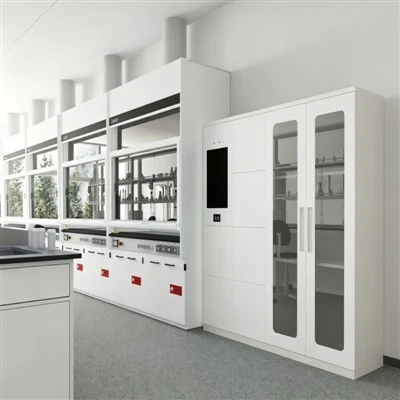
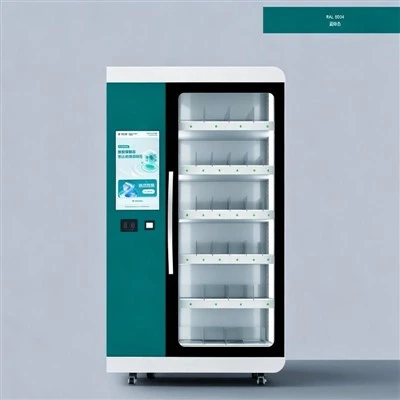
Electronic smart lockers are an essential component of modern digital management systems. Their primary function is to integrate storage operations, access control, and usage management into a unified and intelligent framework. Compared with traditional storage methods, they significantly improve operational efficiency while enhancing security, standardization, and data traceability. As a result, they are widely adopted in schools, hospitals, enterprises, factories, and public service environments.
One of their main functions is to improve access efficiency. By combining identity verification technologies with automated control systems, users can store and retrieve items quickly without relying on manual registration or physical keys. This streamlined process reduces waiting time and enhances user experience, making it particularly suitable for high-frequency usage scenarios such as educational institutions, locker rooms, and office environments.
Another important function is security management. Smart lockers enforce strict access control through multiple authentication methods, including RFID cards, facial recognition, QR codes, and fingerprint verification. Only authorized users can access designated compartments. In addition, the system records all activities, including access time, user identity, and locker status, creating a complete and traceable audit trail that helps reduce loss and misuse of stored items.
A further key role is in resource optimization and space management. Through intelligent allocation mechanisms, locker units can dynamically assign storage space based on actual usage demand. This improves utilization efficiency and prevents idle or unbalanced resource distribution. Standardized management also helps maintain a clean and organized storage environment.
Smart lockers also provide strong data management capabilities. The system collects and analyzes usage data to support administrative decision-making. By examining usage frequency, time patterns, and occupancy rates, organizations can optimize resource planning and improve operational efficiency through data-driven strategies.
In addition, electronic smart lockers can integrate with other information systems such as access control platforms, attendance management systems, and smart facility management solutions. This interoperability enables a more connected digital ecosystem, transforming smart lockers from simple storage devices into critical nodes within intelligent management networks.
Overall, electronic smart lockers play an indispensable role in improving efficiency, ensuring security, optimizing resources, and advancing digital management. They have become a fundamental infrastructure component in modern smart management systems.