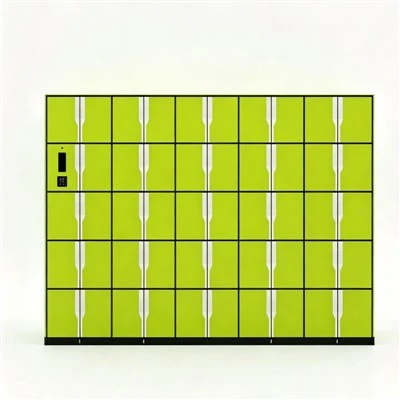
Hey there, if you work in a facility where you handle small, high-value raw materials—think lab-grade powders, specialized adhesives, or even tiny electronic components—you’ve definitely dealt with the same headache we’ve heard a million times: who used that last batch? Why is the weight off? And is someone accidentally mixing incompatible stuff just because they grabbed the wrong container? For years, those questions led to lost materials, safety scares, and even costly process delays. That’s why our team built the Smart Weighing Material Cabinet, and today I’m breaking down how this tool actually fixes the material safety problems that keep operations people up at night. No jargon, just real, day-to-day stuff that makes a difference.
First, let’s get one thing straight: material safety isn’t just about locking stuff up. It’s about tracking every move that material makes, so you never have to guess if a container was tampered with, overused, or mixed with something it shouldn’t be. Traditional storage cabinets are basically glorified lockers—you put something in, you put a padlock on it, and you hope for the best. But once someone gets the key, all accountability goes out the window. A Smart Weighing Material Cabinet changes that entirely by layering smart tech on top of basic storage, so every action is logged, verified, and tied to a specific person. Let’s start with the core feature that makes this all work: the integrated precision weighing scale.
Wait, why a scale? Because weight doesn’t lie. If you put 5kg of a certain powder into the cabinet, and when someone pulls it out, the scale shows 3.2kg instead of the expected number, that’s a red flag immediately. Not just “someone took too much”—it’s “something’s off here, whether that’s spillage, a wrong container, or even a safety risk.” For example, if you have a flammable solvent stored in the cabinet, a sudden, unexplained weight drop could mean a leak. That’s way easier to catch than a missing label or a handwritten note that says “used 1L on Tuesday.”
But the weighing feature isn’t just for catching mistakes—it’s for enforcing access rules. Every time a user wants to take material out or put it back, they have to log in to the cabinet (we use employee IDs, PINs, or even quick biometrics depending on your setup). Once they’re cleared, they select the exact container they need from the digital interface. When they lift that container to the weighing platform, the cabinet automatically reads its RFID tag—another key safety feature—so it confirms they picked the right item. The scale then measures how much they’re removing: if they say they’re taking 500g, the cabinet checks that they’re actually removing that exact amount (or within your pre-set tolerance, like +/- 10g for sensitive materials) before letting them take it. If someone tries to take material without logging in, or grabs the wrong container, the cabinet locks the access right away and sends an alert to a supervisor’s phone.
Let’s talk about container verification for a second. We worked with a lot of clients who told us their biggest material mix-up risk is grabbing a container that looks almost identical to another. Two powders that look the same, different colored lids, same label font—accidents happen. The Smart Weighing Material Cabinet solves that by pairing each material container with a unique, uncopyable RFID tag. When a user selects a container from the touchscreen, the cabinet scans that tag and cross-references it with the database to make sure it’s the correct, approved item for that task. If it’s not? No access. That eliminates at least 70% of accidental material swaps, per our client data. And if a container is missing a tag or the tag is damaged, the cabinet flags that immediately—so you don’t store unaccounted-for materials where someone could touch them incorrectly.


Then there’s the audit trail, which is where material safety really proves itself. Every single action is timestamped, tied to the user’s ID, and logged: when someone opened a cabinet door, which container they took, how much they removed, when they put it back, even if the scale gave a weird reading mid-process. You don’t have to spend hours going through handwritten logs or asking 10 people “did you touch that jar?” anymore. If there’s a safety incident—like a spill or a material that contaminated a batch—you can pull up the audit trail in 2 clicks and see exactly who accessed that material, when, and what they did with it. For regulated industries (pharma, aerospace, food processing), this isn’t just a nice-to-have—it’s required for compliance. And even if you’re not regulated, the audit trail cuts down on waste because you can track how much material is being used, no more guessing how much is left or where it went.
Wait, let’s not forget about compartment-specific controls. The Smart Weighing Material Cabinet isn’t one big box—you can split it into separate compartments, each with its own weighing scale and access rules. That means flammable materials go in a locked, vented compartment that only the safety team can open, and sensitive lab chemicals go in a different section that only R&D staff can access. No cross-contamination risk because incompatible materials are physically separated, and each compartment’s access is tailored to who needs it. We also added a temperature and humidity sensor in each compartment for clients that store moisture-sensitive materials—like certain polymers or pharmaceutical ingredients. If the humidity gets too high, the cabinet alerts you before the material starts to degrade. That’s material safety that’s proactive, not reactive.
Now, I know what some of you are thinking: “This sounds like a lot of tech, will it be hard to use?” No, really. We designed this for people who aren’t tech experts. The touchscreen is simple, the RFID scanning is quick, and the alerts are sent as text or email, no fancy software training required. And if you already use digital inventory tools, the Smart Weighing Material Cabinet integrates with them—so you don’t have to overhaul your whole system just to add this. One of our first clients was a small aerospace parts manufacturer, and their operations manager told us they thought it would take weeks to train their team, but everyone was comfortable with it in a single morning. They even said it cut their material waste by 22% in the first 3 months, just because they stopped over-ordering or losing track of small batches.
Wait, let’s circle back to the original point: how does this ensure material safety, not just convenience? It’s not about banning access to materials—it’s about making sure every access is controlled, tracked, and verified. Traditional storage lets anyone take anything, with no record. The Smart Weighing Material Cabinet stops that by enforcing accountability at every step: you can’t take material without logging in, you can’t take the wrong container, you can’t take an incorrect amount, and every move is saved. That’s how you prevent the stuff that actually causes harm: unknown users handling hazardous materials, mixed batches, leaky containers that go undetected, and material waste from unaccounted stock.
If you’re still using a basic cabinet to store high-value or hazardous materials, you’re leaving safety gaps on the table. The good news is, upgrading doesn’t have to be complicated. We’ve helped everything from small startups to large corporations implement these cabinets, and we tailor each setup to your specific materials and workflows. If you want to see how the Smart Weighing Material Cabinet works in real time, or get a demo for your team, hit us up. We don’t do generic sales pitches—we talk to you about the specific headaches you’re dealing with, whether that’s material mix-ups, compliance headaches, or lost stock.
Oh, and if you want to check out more details on the core smart storage features, feel free to look at the Smart Material Cabinet page, which breaks down the non-weighing smart tools that pair perfectly with this setup. For the full lowdown on how the weighing and access controls work, the Smart Weighing Material Cabinet page has specific specs and client case studies that show exactly how this improves safety. We’ve seen too many operations get hurt because they skipped the small safety steps—this tool closes those gaps without slowing you down.
If you’re tired of guessing where your materials are, who touched them, and whether they’re stored correctly, it’s time to make a change. We’re here to walk you through your options, no pressure, no fine print. Reach out to start a conversation about how we can tailor this to your facility.
References
- Occupational Safety and Health Administration (OSHA). (2022). Best Practices for Hazardous Material Storage and Accountability. U.S. Department of Labor.
- National Institute for Occupational Safety and Health (NIOSH). (2021). Smart Technology Applications for Material Safety in Industrial Facilities. Centers for Disease Control and Prevention.
- International Organization for Standardization (ISO) 9001:2015. (2021). Quality Management Systems – Requirements for Traceability of Raw Materials. ISO.
- Industry Safety & Hygiene Association (ISHA). (2023). Annual Report on Material Storage Errors and Mitigation Solutions. ISHA.