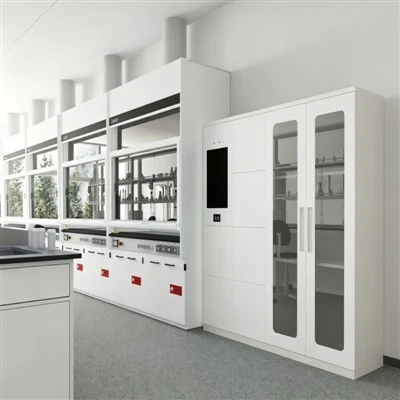
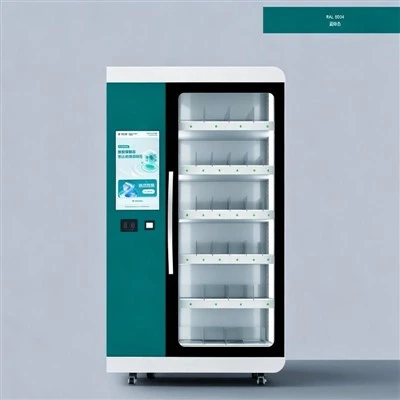
With the rise of intelligent manufacturing, modern warehousing, and laboratory management, smart weighing material cabinets have become essential tools for precise material control. To ensure that the selected equipment meets operational requirements and enhances management efficiency and reliability, several key factors should be considered during the selection process.
First, attention should be paid to weighing accuracy and load capacity. Different scenarios require varying levels of precision and weight tolerance. For example, in precision laboratories or small component management, highly sensitive sensors capable of gram or milligram accuracy are necessary. In contrast, factory workshops managing standard consumables require cabinets with higher load-bearing capacity. The choice should align with the types of materials and the operating environment.
Second, intelligent functionality and data management capabilities are critical selection criteria. A high-quality smart weighing cabinet should provide real-time weight monitoring, automatic inventory updates, usage tracking, and data analysis, while being able to integrate seamlessly with ERP or MES systems for digitalized and automated material management. Functional modules should be configurable to match enterprise requirements without redundancy or deficiency.
Third, safety and access control are essential. Cabinets should support multiple authentication methods such as RFID cards, fingerprint scanning, or facial recognition, while granting access based on user roles to prevent unauthorized usage and ensure material security. Additionally, systems should include alert mechanisms and anti-misuse features to enhance management reliability.
The stability and durability of the equipment are equally important. Cabinet materials, corrosion protection, and electronic component quality directly affect lifespan and long-term performance. Selecting products with rigorous testing and certifications reduces maintenance costs and ensures continuous operation.
Finally, ease of use and expandability should be considered. An intuitive interface, adjustable storage compartments, and modular design improve daily operational efficiency while allowing for future capacity or functionality upgrades.
In summary, selecting a smart weighing material cabinet requires a comprehensive evaluation of weighing accuracy, intelligent functionality, access control, durability, and user-friendliness. A well-chosen system maximizes operational value, enabling precise, digital, and secure material management.