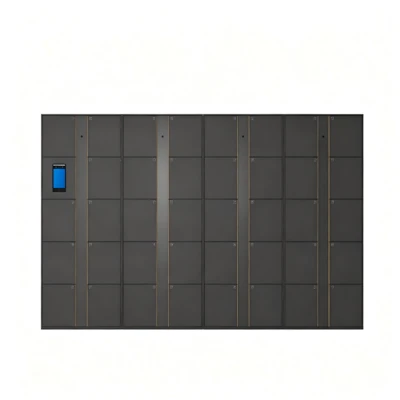
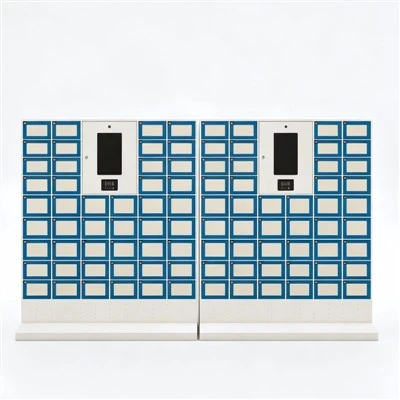
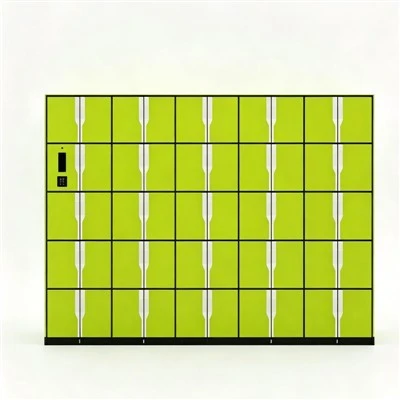
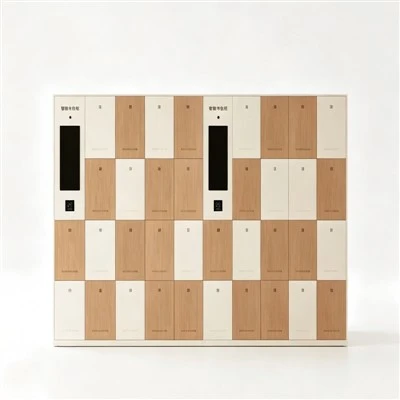
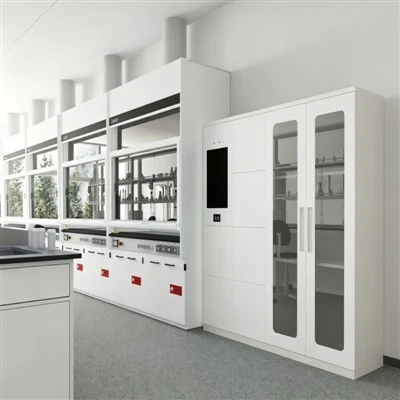
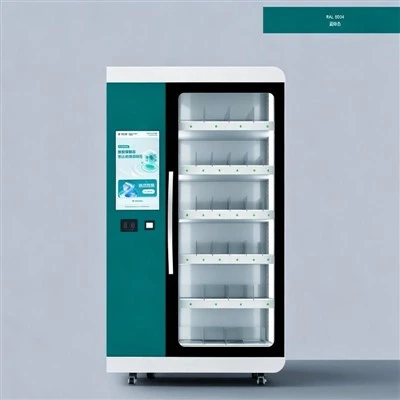
Smart key management cabinets are widely used in enterprises, factories, property management, hotels, and government institutions as essential intelligent security and asset control devices. They enable centralized key storage, access control, and usage tracking. To ensure stable long-term operation and maximize their management value, proper usage standards and operational discipline must be strictly followed.
First, strict identity authentication and access control procedures must be enforced. All users are required to verify their identity through RFID cards, facial recognition, fingerprint scanning, or account login before accessing keys. The system should assign permissions based on job responsibilities, and unauthorized access or privilege misuse must be strictly prevented to ensure security and controllability.
Second, standardized operational procedures must be followed during key collection and return. When retrieving a key, users should confirm that identity verification is successfully completed and the system has recorded the transaction. Forced cabinet opening or repeated operations should be avoided. When returning a key, it must be placed in the designated slot, and users should ensure that the system has properly recognized the return status to prevent recording errors or abnormal key states.
Third, routine inspection and maintenance are essential for stable operation. The electronic locking system, identification modules, cabinet structure, and network connectivity should be regularly checked. If any abnormal conditions occur, such as recognition failure, unlocking issues, or system alarms, professional maintenance personnel should be contacted promptly to avoid disruptions.
In addition, prolonged key retention should be avoided. Keeping keys for extended periods may affect other users' access and increase management risks. Although the system provides automatic reminders and tracking functions, proper user discipline remains essential for effective management.
From a safety perspective, any form of unauthorized disassembly, physical damage, or bypassing of system controls is strictly prohibited. Smart key cabinets are high-security devices, and improper interference may lead to data corruption or security vulnerabilities.
It is also recommended to regularly back up and review system data, including usage logs, permission records, and alarm history, to support security analysis and responsibility tracing, thereby improving overall management quality and risk control capabilities.
Overall, proper use of smart key management cabinets not only ensures stable system performance but also significantly enhances key security and operational efficiency, making it a critical component of intelligent security management systems.